Last Updated: August 2026
Do Nigerians need a visa to travel abroad?
Sometimes, but not always.
Nigerian passport holders need a visa before travelling to many countries, but not all. Depending on your destination, you may have visa-free access, visa-on-arrival access, an e-visa option, or need to obtain a visa before travelling.
The important thing is to check the rules for your specific destination, passport and purpose of travel before booking your trip. Visa requirements can differ for tourism, business, study, work and transit.
So, if you’re planning a trip from Nigeria and you’re wondering “Do I need a visa?”, this visa guide for Nigerian travellers will help you understand what to check, what documents you may need and how the application process generally works.
Quick guide: what kind of visa access do Nigerians have?
There isn’t one visa rule that applies to every country. Your options generally fall into these categories:
| Visa/entry type | What it means | What you need to do |
|---|---|---|
| Visa-free | You can enter without obtaining a visa before travelling, subject to the country’s entry conditions. | Check permitted stay and entry requirements. |
| Visa on arrival | You obtain the visa after arriving at an eligible border or airport. | Check whether you qualify and what documents/fees are required. |
| e-Visa | You apply online before travelling and receive an electronic visa or approval. | Apply through the official immigration/visa portal and follow the instructions. |
| Embassy/consulate visa | You must apply for a visa before travelling, often with supporting documents and sometimes biometrics or an interview. | Submit the application and documents through the required channel. |
| Transit visa | You may need permission even if you’re only passing through a country on your way somewhere else. | Check the transit rules for your nationality, airport and itinerary. |
Don’t assume that visa-free means “no requirements.” You may still need a valid passport, return/onward ticket, proof of accommodation, sufficient funds, vaccination certificates or other documents.
What should you check before booking your flight?
This is one of the most important parts of planning an international trip from Nigeria.
Check your visa and entry requirements before paying for your flight.
At a minimum, check:
- Whether Nigerians need a visa for the destination
- What type of visa is required
- Whether you can apply online or need to visit a visa application centre
- How long the visa process normally takes
- How much the visa costs
- Passport validity requirements
- Whether you need a transit visa for any country on your route
- Whether your destination requires travel insurance
- Whether there are vaccination or health requirements
- How long you’re allowed to stay
This is particularly important when your itinerary has one or more connections. You may have the right visa for your final destination but still need permission to transit through another country.
Your pre-booking checklist
Before you pay for that flight, ask:
☑ Do I need a visa?
☑ Is my passport valid for the required period?
☑ Do I need a transit visa?
☑ Can I meet the visa requirements?
☑ How long will the application take?
☑ Have I checked the official immigration/embassy website?
This simple check can save you from spending money on a trip you may not be able to take.
What documents do Nigerians generally need for a visa application?
The exact requirements depend on the country and type of visa, but many applications will ask for some combination of:
1. A valid Nigerian passport
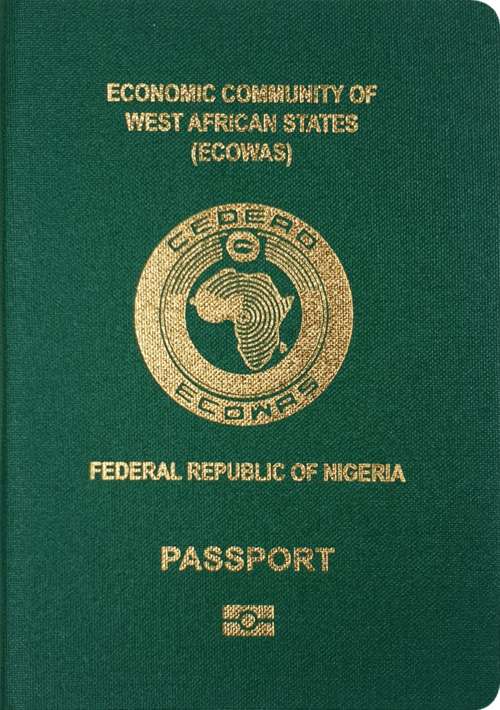
Your passport needs to meet the destination’s validity rules. There is no single “six-month rule” that applies to every country, so check the specific destination’s requirement.
Some countries require six months of validity beyond your intended travel period, while others have different rules. FAAN also advises international travellers to check their destination’s passport validity requirements before travelling.
2. Completed visa application form
Make sure the information on your application matches your passport and supporting documents.
A simple spelling or date mismatch can create unnecessary questions.
3. Passport photographs
Some countries require specific dimensions, background colours or photo specifications.
Don’t assume that the same passport photo you used for another visa will automatically meet the requirements of your next application.
4. Proof of funds
Depending on the destination and visa type, you may need to demonstrate that you can afford the trip.
This could include:
- Bank statements
- Payslips
- Employment documents
- Business documents
- Sponsorship documents
The important thing is that your financial documents should make sense alongside the trip you’re proposing.
5. Proof of accommodation
This could be a hotel booking, accommodation arrangement or, where permitted, details of the person hosting you.
6. Travel itinerary
You may be asked to provide details of your intended trip, including your proposed dates, destination and travel arrangements.
7. Supporting documents based on your purpose of travel
A tourist, student, employee and business traveller will not necessarily submit the same documents.
For example, a business traveller may need an invitation letter, while a student may need an admission letter.
The visa category matters.
What are the main types of visas Nigerians can apply for?
The visa you need depends largely on why you’re travelling.
Tourist or visitor visa
This is generally used for holidays, visiting friends and family or other permitted short-term visits.
Business visa
For eligible business activities such as meetings, conferences or negotiations. It does not automatically give you the right to work in the destination country.
Student visa
For people travelling to study for a period that requires immigration permission.
Work visa
For people who have permission to work in the destination country. Requirements can be considerably more involved than those for a tourist visa.
Transit visa
This is often overlooked.
If you’re travelling from:
Abuja → Country A → Country B,
you shouldn’t only check Country B’s visa requirements. Check whether Country A requires a transit visa for Nigerian passport holders based on your specific itinerary.
How to apply for a visa from Nigeria
While the process varies by destination, the general steps look like this:
Step 1: Check whether you need a visa
Start with the official immigration, embassy or consular website for your destination.
Don’t rely solely on information from a friend who travelled there last year. Visa rules can change.
Step 2: Choose the correct visa category
Are you travelling for tourism, business, study, work or transit?
Applying for the wrong category can create problems later.
Step 3: Check the requirements
Make a list of the documents you need and check whether there are additional requirements for Nigerian applicants.
Step 4: Complete the application
Fill in the application carefully. Your information should be consistent across your form, passport and supporting documents.
Step 5: Pay the required fee
Visa fees vary by country and visa category.
For example, as of 8 April 2026, the UK Standard Visitor visa fee for applications made outside the UK is £135 for a visit of up to six months. www.gov.uk
For Canada, a visitor visa currently costs CAD $100, while the individual biometrics fee is CAD $85, where biometrics are required. Canada
Fees can change, so always confirm the current amount before paying.
Step 6: Attend biometrics or an interview if required
Some applications require fingerprints, photographs or an interview.
Step 7: Wait for a decision
Processing times depend on the destination, visa type, application volume and whether the immigration authority needs additional information.
Step 8: Check your visa when it is issued
Don’t simply put your passport away after getting your visa.
Check:
- Your name
- Passport number
- Visa type
- Number of entries
- Valid-from date
- Expiry date
- Permitted stay
If something looks wrong, contact the relevant authority before travelling.
How much does a visa cost?
There isn’t one standard visa fee for Nigerian travellers.
The amount depends on where you’re going and what type of visa you’re applying for.
| Destination/example | Visa/application cost to know | Other important cost |
|---|---|---|
| UK Standard Visitor | £135 | Optional priority services cost extra |
| Canada visitor visa | CAD $100 | CAD $85 biometrics fee for an individual where required |
| Schengen | Check the current applicable visa fee | Travel medical insurance is also required |
| United States | Depends on visa category and current rules | Additional requirements may apply to Nigerian applicants |
| Visa-free destinations | No visa application fee | Other entry requirements may still apply |
The figures above are examples, not a universal visa price list, and they should be checked again before publication or whenever the article is updated. The UK and Canadian figures above are based on current government fee information. GOV.UK Canada
How long does it take to get a visa?
There is no universal processing time.
Some electronic visas can be processed relatively quickly, while embassy-based applications can take considerably longer.
Your timeline can also be affected by:
- Appointment availability
- Biometrics
- Missing documents
- Requests for additional information
- Peak travel periods
- Background or security checks
- The specific visa category
Don’t plan your trip around the shortest processing time you see online.
Check the official processing-time guidance for your destination and give yourself some room for unexpected delays.
A quick look at popular visa destinations for Nigerians
Rather than trying to explain every country’s visa process in one article, we’ve created dedicated guides for the destinations Nigerian travellers ask about most.
Schengen visa
If you’re travelling to the Schengen Area, you generally need a Schengen visa unless you qualify for an exemption.
There are specific rules around where to apply, supporting documents, travel medical insurance and the purpose of your trip. For example, Schengen travel medical insurance must generally provide at least €30,000 in coverage, be valid throughout the relevant Schengen territory and cover the intended stay or transit. EUR-Lex
UK visa
Nigerian passport holders generally need the appropriate UK visa before travelling for a standard visit.
The UK Standard Visitor visa currently costs £135 for a stay of up to six months when applying from outside the UK. GOV.UK
Canada visa
For a Canadian visitor visa, applicants generally need to satisfy the requirements for a temporary resident visa and demonstrate that they meet Canada’s eligibility requirements.
The current visitor visa processing fee is CAD $100, with an individual biometrics fee of CAD $85 where applicable. Canada
US visa
US visa rules for Nigerian travellers require particular attention because additional restrictions are currently in place.
As of January 1, 2026, the United States partially suspended visa issuance for Nigerian nationals for certain categories, including B-1/B-2 visitor visas, subject to stated exceptions. Travel.gov
There is also a separate Visa Bond Program. From August 3, 2026, the programme became permanent, with eligible B-1/B-2 applicants from designated countries potentially required to post a $10,000, $15,000 or $20,000 bond as a condition of visa issuance. Nigeria is among the countries covered.
The US situation is changing and the restrictions are more complicated than a normal visitor visa process, check the latest official US guidance before applying.
What about visa-free countries for Nigerians?
Not every international trip from Nigeria requires a visa.
Nigerian passport holders can access some destinations under visa-free, visa-on-arrival or other simplified entry arrangements.
Within ECOWAS, for example, Nigeria is included among the countries whose citizens can enter Ghana under the regional arrangement without a visa, with Ghana’s Ministry of Foreign Affairs listing Nigerian citizens under its ECOWAS visa-free category for stays of up to 90 days. Ghana Passport Affairs
But visa-free does not mean “turn up with your passport and you’re guaranteed entry.”
You may still need to meet conditions around:
- Passport validity
- Length of stay
- Purpose of travel
- Return/onward ticket
- Accommodation
- Funds
- Health requirements
What is the difference between a visa and permission to enter?
Getting a visa doesn’t always mean you’re automatically guaranteed entry.
A visa generally gives you permission to travel to a country’s border and request entry under the conditions attached to the visa.
The immigration officer at the border can still assess whether you meet the country’s entry requirements.
That’s why you should travel with the relevant supporting documents even after your visa has been approved.
Common visa mistakes Nigerian travellers should avoid
Some of the biggest problems happen before the application is even submitted.
Booking flights before checking visa requirements
That dream flight deal isn’t necessarily a bargain if you can’t obtain the required visa.
Applying for the wrong visa
Tourism, business, study and work are different purposes. Make sure you’re applying under the correct category.
Ignoring transit requirements
Your final destination may not be the only country whose rules matter.
Submitting inconsistent documents
If your application says one thing and your bank statement, itinerary or employment documents suggest another, expect questions.
Leaving the application too late
Visa processing can take longer than expected. Give yourself enough time.
Assuming a previous visa guarantees a new one
A previous approval doesn’t automatically mean you’ll qualify again.
Using outdated information
A visa fee, application process or entry requirement can change after an article, social media post or YouTube video was published.
Always verify the latest rules with the relevant authority.
What can cause a visa application to be refused?
There isn’t one universal reason visas are refused.
Depending on the country and visa category, concerns can include:
- Insufficient or unclear financial evidence
- Incomplete documentation
- Inconsistent information
- Doubts about the purpose of travel
- Concerns about whether the applicant will leave at the end of the authorised stay
- Failure to meet the requirements of the visa category
- Previous immigration or visa issues
A refusal does not necessarily mean you can never travel to that country. What matters is understanding why the application was refused and what the destination’s rules say about applying again.
Need help with your visa application?
Visa applications can become confusing when you’re dealing with different forms, documents, appointment requirements and changing rules.
Tramango provides visa assistance for selected destinations, helping travellers understand the process and prepare their applications.
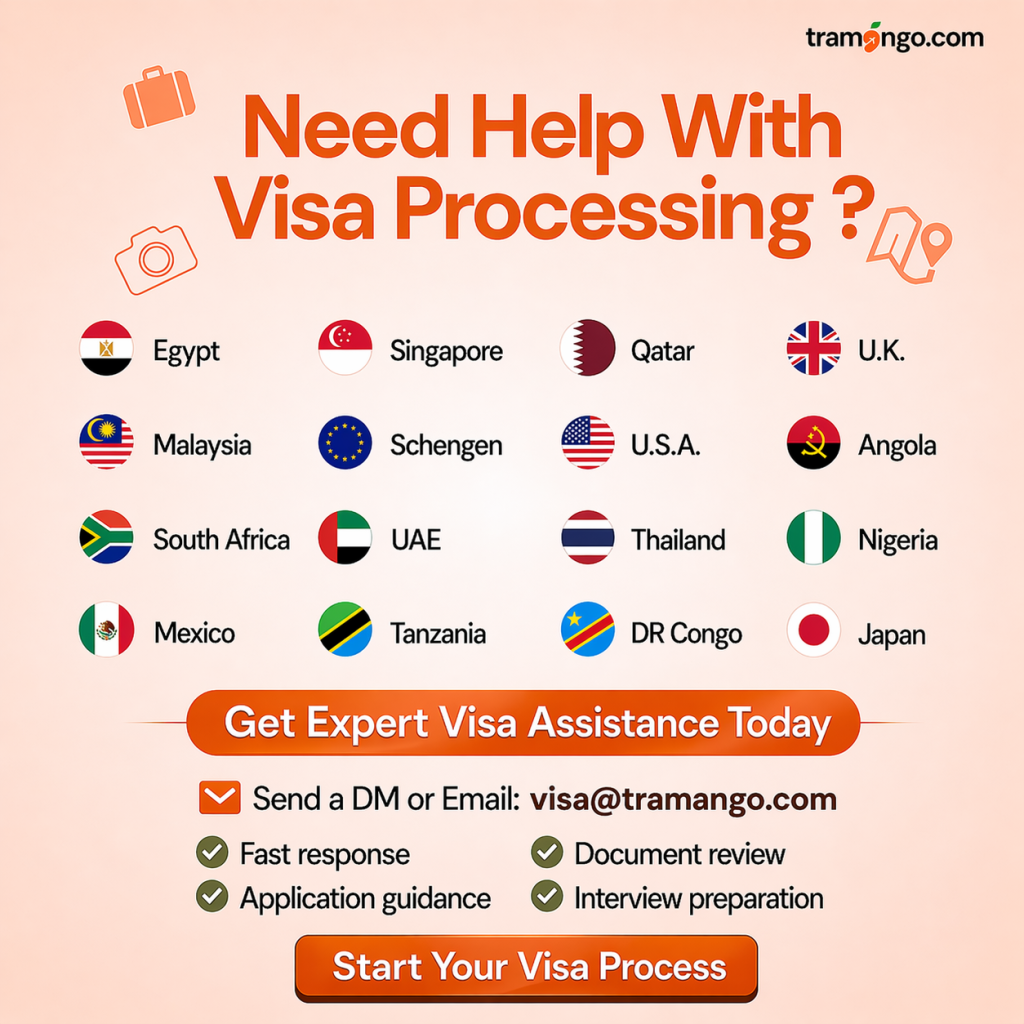
You don’t necessarily have to wait until the end of your planning process to get help.
Applying for a Schengen visa?
Remember that travel medical insurance is part of the application requirements. Tramango can also help you arrange travel insurance for your trip.
Not sure where to start?
You can also explore Tramango‘s visa support service to understand how we can assist with your application.
The important thing is to start with the right requirements and give yourself enough time to prepare.
Final thoughts
The biggest mistake you can make with international travel is treating the visa as something to figure out after you’ve booked the trip.
Start with the destination, understand the entry rules, identify the correct visa category, prepare your documents and check the latest requirements before you pay for anything.
Remember: there is no single “visa requirement for Nigerians.” The answer depends on where you’re going, why you’re going and the rules that apply to your passport.
If you’re unsure, start with the destination-specific guide on Tramango. If you need additional support, we can help you navigate the visa process and get back to what travel is actually about.