Myths can’t be taken out of Nigerian history because they formed our childhood memories, here we list crazy myths Nigerians still believe.
Using a safety pin when pregnant
Many Nigerian women have shared stories on how using a safety pin has saved them from losing babies; without the safety pins, the woman is attracting evil spirits to the unborn child. According to religious leaders, using a safety pin to safeguard your child is equivalent to worshipping Ogun (god of iron).

If you beat a boy with a broom, it makes him impotent:
You too reason it, how will broom make somebody impotent ahn ahn. The belief also goes with using omorogun to beat a male child. Most Nigerians believe in it; that is why they will use anything besides broom to correct your brain as a male child when you mess up.

Having dreadlocks means you are irresponsible:
There is a belief that children with dada are special bringers of wealth, but adults with dreadlocks are thoughtless, which is often untrue. Hairstyles should not be used to characterise someone’s personality, but the opposite is the case in Nigerian society. People with dreadlocks are seen as mentally disturbed or irresponsible. In developed nations, you see men with dreadlocks who are very professional and are making it in their career, exempting all forms of stereotypes attached to the hairstyle.

Madam Koi Koi:
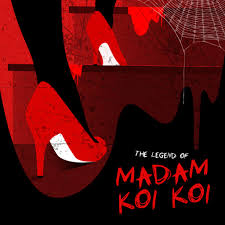
If you attended a Nigerian boarding school, you should have heard of Madam Koi Koi with her red lipstick and red heels. The Koi Koi in her name was deduced from the sound of her heels. While she was alive, she was said to have been wicked to students but got fired after slapping and injuring a female student. She was involved in an accident on her way back home that led to her death. The legend Madam Koi Koi is a ghost teacher who comes at night to take revenge by haunting students; the story is known to have started in one of Nigeria’s federal government colleges. Do you think this story is a myth?
Sleeping with legs on the wall means you are a witch:
We all stay in different positions when we are sleeping, but in a Nigerian home, when you sleep with your legs on the wall, you are labelled a witch; more so, people think that’s how you go for meeting with your acclaimed witchcraft members.

When you sing to leke leke you get white patches on your nails:
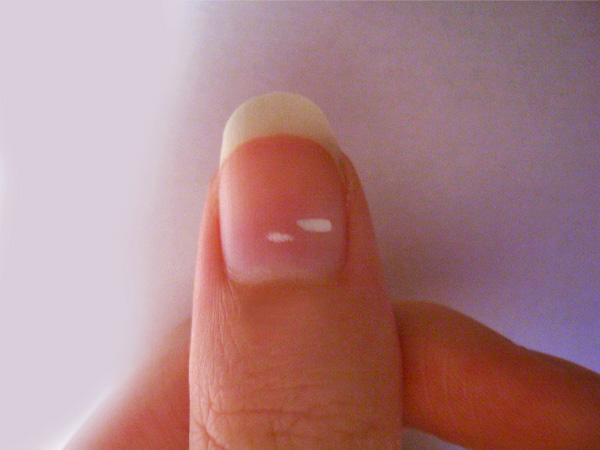
Shaking your hands and singing “Lekeleke ba mi leke, eye adaba” is not what is giving you white patches on your fingernails; scientifically, what causes the white patches is an injury to the nail bed or lack of calcium and zinc. Some believe the white patches are coincidental, while some others believe in the myth. The birds called Leke Leke are known as cattle egrets.
Bushbaby:
According to Nigerian folktales, bushbaby usually stays at night in bushes and cries like a human baby. The mystical animal kills and eats any victim that comes to its aid.

This one is just story and pure vibes.
Abiku:
An abiku a spirit of a child who dies young before the age of 12; the belief is that the spirit returns to the same mother multiple times to be reborn multiple times. In Yoruba culture, they usually name children seen as abiku with names like Yetunde, Iyabo, Babatunde, Babajide. In Igbo land, the spirit is called Ogbanje, i.e. children who come and go.
Eating fish eye makes you dull:
There is a belief (because people still believe it) that eating fish eye makes someone dull in his/her academics. This is not true; that is why you hear people sing “olodo rabata oju eja lo mo je” when someone fails in school.